Season 2 of UnTangled Is a Wrap. Here Is What We Learned.
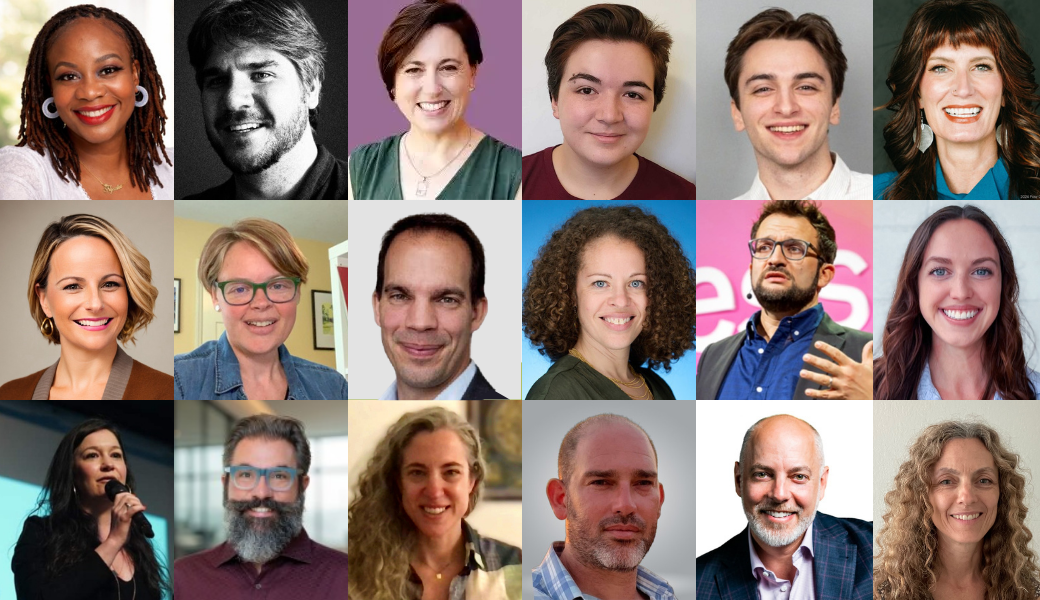
Seventeen episodes. Seventeen guests. A whole lot of jello.
That is what Season 2 of UnTangled felt like from where I was sitting. The landscape kept shifting week to week, and I kept dragging in people who were smarter than me on their particular slice of it to help make sense of what is actually happening with AI in the social sector. Some weeks it felt exhilarating. Some weeks it felt genuinely alarming. Most weeks it felt like both at once.
We are taking a break for the summer, but before I step away I want to reflect on what I actually took away from this season, because I think something important shifted for me between episode one and episode seventeen, and I want to name it.
The Word I Kept Coming Back To: Intentional
If I had to distill everything this season into one concept, it would be intentionality. Not ethical, not responsible, not careful. Intentional.
Intentional means active, not passive. It means you have a stance, not just a policy. It means your AI decisions reflect your values, your sustainability commitments, your community, and your mission. It is not about being perfect. It is about being deliberate. And it is within your control, which matters when so much of this landscape feels like it is not.
Valerie Ehrlich put it well when she made the case for framing AI adoption as a responsibility practice rather than an ethics debate. Ryann Miller walked through what it actually looks like to build an AI governance framework before you touch a single new tool. Gozi Egbuonu closed out the season by naming the risk I had been circling all year: that we hand over our agency to these systems without realizing it until it is too late. These three conversations in particular gave me language I did not have before.
The Social Sector Does Not Have to Rely on Big Tech
This is the shift that feels most significant to me heading into the summer. I came into this season knowing the tools were getting better. I am leaving it with a much firmer belief that the tools built by and for the social sector are where we should be putting our energy and our dollars.
Aram Fischer at Change Agent is building a mission-aligned AI platform designed specifically for nonprofits, with data privacy and sector values baked into the architecture, not bolted on as an afterthought. Ryan Baillargeon built Crescendo as open source fundraising infrastructure. Peter Genuardi at See the Stars used AI to build Beacon, a platform that helped over a million people connect with public benefits in 2025 alone. These are not workarounds. These are real tools built by people who share our values, solving problems our sector actually has.
The easy path is to default to whatever the big platforms offer. I get it. The tools are good and the familiar is comfortable. But we now have options, and using them is a choice we can make. Do not be lazy about this. Seek out the purpose-built ecosystem. It exists and it is getting stronger.
Builders Are Everywhere and Non-Coders Are in the Game
One of the most energizing threads this season was the democratization of building. Tommy Spann showed us live what it looks like to architect a production-ready application using plain English prompts, no coding background required. Dirk Steuernagel walked through AI-powered donor engagement agents that nonprofits can deploy without a dev team. Leah Lundberg made the case that the entire nonprofit tech stack is changing, and the biggest barrier to adapting is not budget or skill, it is the mental models we are carrying from ten years ago.
The people inside nonprofits understand their programs, their communities, and their workflows better than any outside developer ever will. The distance between that knowledge and the ability to build something with it is closing. That is a genuinely exciting development for a sector that has been underserved by technology for decades.
The Gender Gap in AI Is a Sector Risk
This one I want to say clearly because I think it gets soft-pedaled elsewhere. The conversation I had with Delia Coleman at Equal Rights Advocates and the one I had with Anne Murphy of She Leads AI were two of the most important of the entire show. The gender gap in AI is not primarily an adoption gap. It is a depth-of-use gap and a design gap. Women and people of color are not being invited into the rooms where these tools are built and shaped. And if the social sector, which is largely powered by women, does not actively address this, we will end up reacting to systems that were not built with us in mind. We have been here before. We know how this goes.
Women’s caution about AI was not weakness. It was wisdom. But caution without engagement is surrender. Get in the game.
The Boring Stuff Is the Whole Point
I said this in the episode with Ryann Miller and I will say it again here: The most valuable AI use cases for most nonprofits right now are boring. First drafts. Meeting summaries. Turning one piece of content into five. Grant research. Donor thank you letters that used to take forty hours and now take ninety minutes. That is not glamorous. It is also not nothing. For teams running on fumes, that recovered time is the difference between reacting and leading.
You do not need a grand AI strategy to start. You need one repetitive task and fifteen minutes to see what happens when you hand it off.
More to Come This Summer
We are not going completely quiet over the break. There are threads from this season I want to pull on further, including a deeper look at what it actually means to build an AI-forward culture in your org, who gets to shape the sector’s digital infrastructure and why it matters, and what intentional AI adoption looks like in practice for teams at different stages.
Watch for those posts over the coming months.
Thank You to Everyone Who Showed Up This Season
A huge thanks to every guest who joined me this season. I learn something from every single conversation and that is genuinely not something I say for the sake of saying it. The full episode list is linked below, and I will be tagging everyone in the LinkedIn post that goes along with this.
If you have been watching or reading along, thank you. If you have been sharing episodes or posts with your teams, double thank you.
Season 3 Is Coming in the Fall
We kick back off after Labor Day, and I am already thinking about who I want to bring in. If you know someone doing interesting, grounded, mission-aligned work at the intersection of digital and AI in the social sector, I want to hear about them. DM me on LinkedIn or drop me a note at jen@fireflypartners.com. Guest suggestions, topic ideas, all of it welcome.
Ready to Move Forward With AI at Your Org?
If this season surfaced questions for you about what AI adoption could actually look like at your organization, that is exactly what Firefly does. We work with nonprofits and social good organizations to figure out where you are, where you want to go, and what intentional AI adoption looks like given your team, your tools, and your mission. You do not have to have it figured out before you reach out. That is what the conversation is for.
Schedule a call with Jen or email jen@fireflypartners.com to get started.
Want to check out all past UnTangled episodes? We have a site for that! 🙂 Be sure to follow us on Apple or Spotify podcasts as well!
Thanks! You’ll hear back within 48 business hours
In the meantime, why not check out our latest case study?
Whether you need help with a project, want to learn more about us, or just want to say hi, you’ve come to the right place.