

Why Great Leaders Need to Lean Into Curiosity and Humility
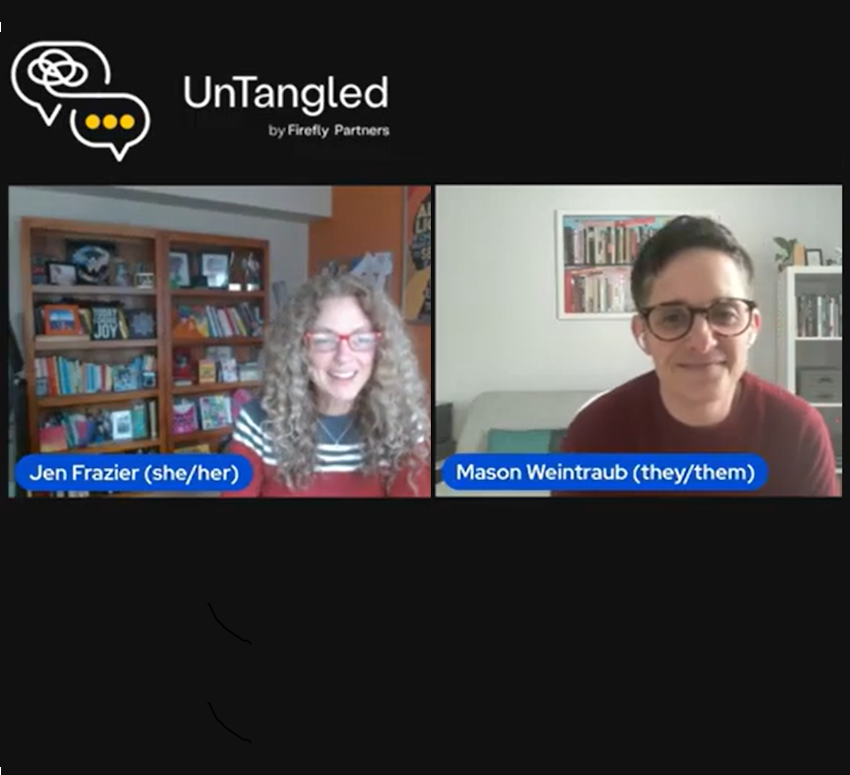

The digital landscape is changing faster than any of us can reasonably keep up with. Tools shift weekly, platforms rewrite the rules overnight, and AI is reshaping workflows in real time. But none of that was the center of my UnTangled conversation with Mason Weintraub (they/them).
What surfaced instead was this:
In an era defined by uncertainty and digital complexity, the leaders who help teams thrive aren’t the ones who know everything – they’re the ones rooted in curiosity, humility, and genuine care.
Curiosity and humility showed up again and again in our conversation. They’re not soft skills. They’re the stabilizing forces that help leaders create clarity, connection, and resilience when the ground keeps shifting.
Here’s how they shape the work – and the people doing it.
Curiosity: The Antidote to “We’ve Always Done It This Way”
Curiosity is not a personality trait. It’s a leadership practice.
Curious leaders:
- ask better questions
- explore possibilities instead of clinging to certainty
- build psychological safety by signaling, “We’re learning together”
- encourage teams to experiment, iterate, and adapt
Digital work moves too quickly for rigid expertise. Curiosity keeps teams inventive instead of defensive. It gives people permission to break out of old patterns and try new approaches.
Teams led by curious leaders don’t stagnate — they evolve.
Humility: The Most Underestimated Leadership Strength
Humility gets a bad rap in spaces that mistake leadership for perfection. But humility is exactly what teams need right now.
Humble leaders:
- admit when they don’t know something
- create space for others’ expertise
- listen before directing
- communicate honestly about constraints, capacity, and change
Humility doesn’t diminish authority.
It strengthens trust.
In digital work — where no one has the full manual — humility creates the conditions for collaboration, problem-solving, and shared ownership.
Humility also unlocks something else: clarity. When leaders stop performing omniscience, teams stop guessing and start participating.
Where Curiosity + Humility Show Up Most: The Three Layers of Leadership
Mason shared a framework that resonated deeply with me because it reflects so much of what we see when we work with teams. Effective leadership in digital organizations happens across three layers — and curiosity + humility are the traits that make all three layers functional.
- Leading within the team
This isn’t just about managing work — it’s about noticing people.
It’s creating connection, breaking down silos, and making sure team members understand how their work intersects.
Curiosity helps leaders ask:
“How does this piece affect yours?”
“What are we learning from what didn’t work?”
Humility helps leaders say:
“I may not have the full picture — help me understand.”
- Leading across the organization
Digital can’t live in a corner. Leaders have to bridge the gap between digital teams and everyone else — especially fundraising, comms, programs, and executive leadership.
Curiosity helps leaders understand the pressures other teams face.
Humility helps them translate digital concepts without condescension or jargon.
This is where cross-team trust is built.
- Leading up and down
This is the layer where things often fall apart quietly.
Leading up = helping leadership understand reality on the ground.
Leading down = giving teams clarity, purpose, and alignment.
Curiosity helps leaders keep asking:
“What’s unclear? What’s competing? What’s missing?”
Humility keeps conversations honest when expectations or resources don’t align.
When this layer is strong, organizations run with purpose.
When it’s weak, everything feels scattered and strained.
Advocacy and Joy: The Human Sides of Leadership We Don’t Talk About Enough
Leaders who approach their work with curiosity and humility are better advocates — because they see what their teams are carrying and aren’t afraid to name it.
Advocacy means:
- pushing for realistic priorities
- securing adequate resources
- saying “this isn’t sustainable” before burnout hits
- protecting time for thoughtful work
- ensuring digital staff aren’t treated as order-takers
And then there’s joy — a concept that could easily feel soft if it weren’t so essential.
Digital work is relentless.
Joy is what keeps people human inside it.
Leaders don’t have to manufacture joy, but they can normalize rest and encourage people to reconnect with what restores them. It’s part of leadership care, not an afterthought.
Where This Connects to Firefly’s Work
When Firefly steps into an organization — whether through discovery, audits, or training — we often uncover the same patterns Mason described.
Not broken people.
Not broken missions.
Just systems and structures that haven’t evolved as quickly as the digital work itself.
And when we look through the lenses of curiosity and humility, the path becomes clearer.
In Audience Clarity
Curiosity helps teams ask deeper questions about who they’re speaking to and what those people need — instead of defaulting to assumptions.
In Core Positioning
Humility allows organizations to acknowledge where messaging has drifted, where they’ve lost focus, or where the outside perception doesn’t match the internal intention.
In Workflow & Team Readiness
Both traits are essential for diagnosing where things are breaking down:
- misaligned expectations
- unclear priorities
- siloed work
- leadership gaps
- burnout hidden beneath solid performance
Our discovery engagements help surface the human, operational, and structural realities that shape digital success — and we help teams chart a path that honors both the work and the people doing it.
Because when leaders lean into curiosity and humility, the entire ecosystem becomes more aligned, more resilient, and more capable of navigating the chaos with clarity.
Watch the full episode:
And if any of this resonates, it might be the right moment to take a closer, more intentional look at how your own team is navigating change right now. Happy to be a sounding board!
Thanks! You’ll hear back within 48 business hours
In the meantime, why not check out our latest case study?


Whether you need help with a project, want to learn more about us, or just want to say hi, you’ve come to the right place.